
Welcome
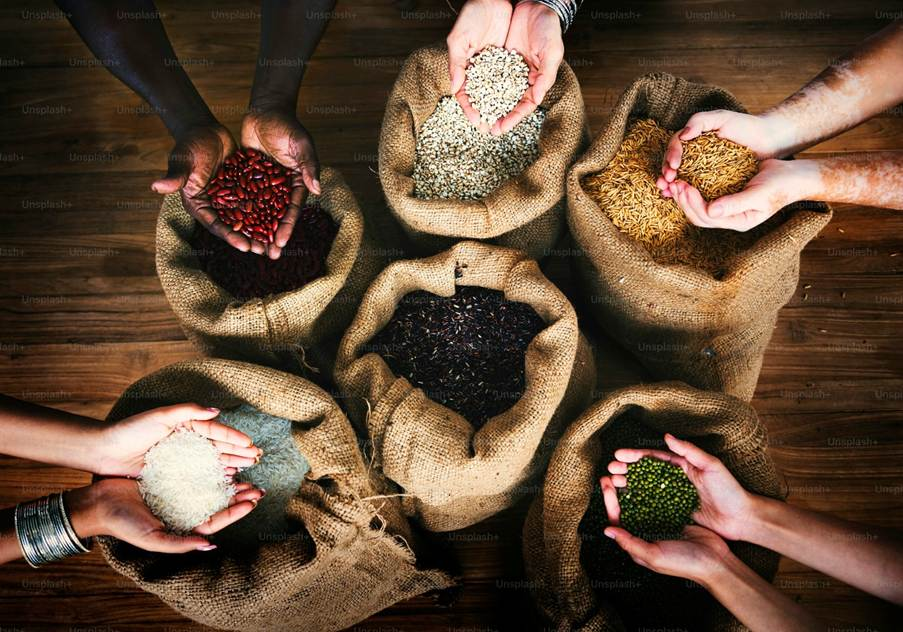
Everyone welcome,
no exceptions
Everyone welcome,
no exceptions
The feast of the epiphany tells the story of the magi travelling from the east to pay homage to the Christ child, Matthew 2:1-12. These visitors echo the prophecy of Isaiah 60:1-9 that “nations shall come to your light, and kings to the brightness of your dawn” and signal that Christ is a gift, not just to the people of Israel but to all peoples of all nations, faiths and cultures. The gifts they bring speak of the nature of the Christ child: gold for ruling, frankincense for holiness and myrrh for dying.
But this story is not just about Christ’s true nature, it is about ours. At our baptism we too are anointed as leaders, priests and gifts. Just as the gifts given to the infant Jesus symbolise how he will live his life as a gift to God’s world, they show us how we should live. We too are gifted and our gifts are only of any use if they are used for all of us. The prophet Isaiah, 60:1-9 calls us to “arise, shine for your light has come”. The light that shines on us is to become the light that shines from and through us. In sharing this light we lighten the path that leads to a home for all God’s people.
Just four days ago the angels were proclaiming glory to God in the highest and peace to his people on earth, yet today we hear mothers weeping over the death of their children. Had anything changed in the time between the mothers weeping in Jeremiah 31:15-17 and those still weeping in Matthew 2:13-23? Has anything changed since? Mothers’ still weep, innocents are still slaughtered, did Christmas change anything?
The long story of salvation records violence breeding yet more violence: the Israelite children were slaughtered by Pharoah; their freedom was bought by the slaughter of the Egyptian children; they used their freedom to slaughter yet more children, this time Canaanites. When Christ is born Herod slaughters the infants in Bethlehem and Mary and Joseph flee to Egypt, the land of their enemies, and find refuge there. But, something has changed: when Christ returns from Egypt he does not answer violence with yet more violence, instead he submits to the violence of the world to reveal to us a power stronger than violence, the power of love.
Christ’s birth and death and resurrection reveal to us that violence does not come from God and is never sanctioned by God. What God offers us in Christ is the chance to be changed, to become children of God. So that we might receive a power far greater than violence, the power of love. Love is the only power strong enough to defeat violence. Love is the only power great enough to transform an enemy into a friend.
Rejoice! Emmanuel has come, God is here to dwell with us. Just as the prophet foretold. Yet, it’s not quite what Isaiah 52:7-10 envisaged: he believed that God’s arrival would be: obvious, “in plain sight”; welcomed by all, as the people “break forth into singing”; and it
would immediately impact everyone and everything: Jerusalem would be redeemed, the people comforted, the nations saved. Because when we turn to our gospel reading, John 1:1-14, God’s arrival is not in plain sight but unrecognized and unseen: “the world did not know him … his own people did not accept him”.
Isaiah offers us a perfect ending but John offers us a beginning, echoing the opening lines of Genesis, “in the beginning”. This is the story of a new creation. John does not tell us about the birth of Jesus, instead, he tells us about the possibility of our own rebirth: we are the ones who are invited to be born again “not of the will of flesh, nor of the will of man, but of God”. This story is about us, about our calling and the opportunity offered to us to be a part of new creation. We are to be the messengers foretold by Isaiah, we are the ones to announce peace, bring good news and live out, each in our particular way, the salvation of our God.